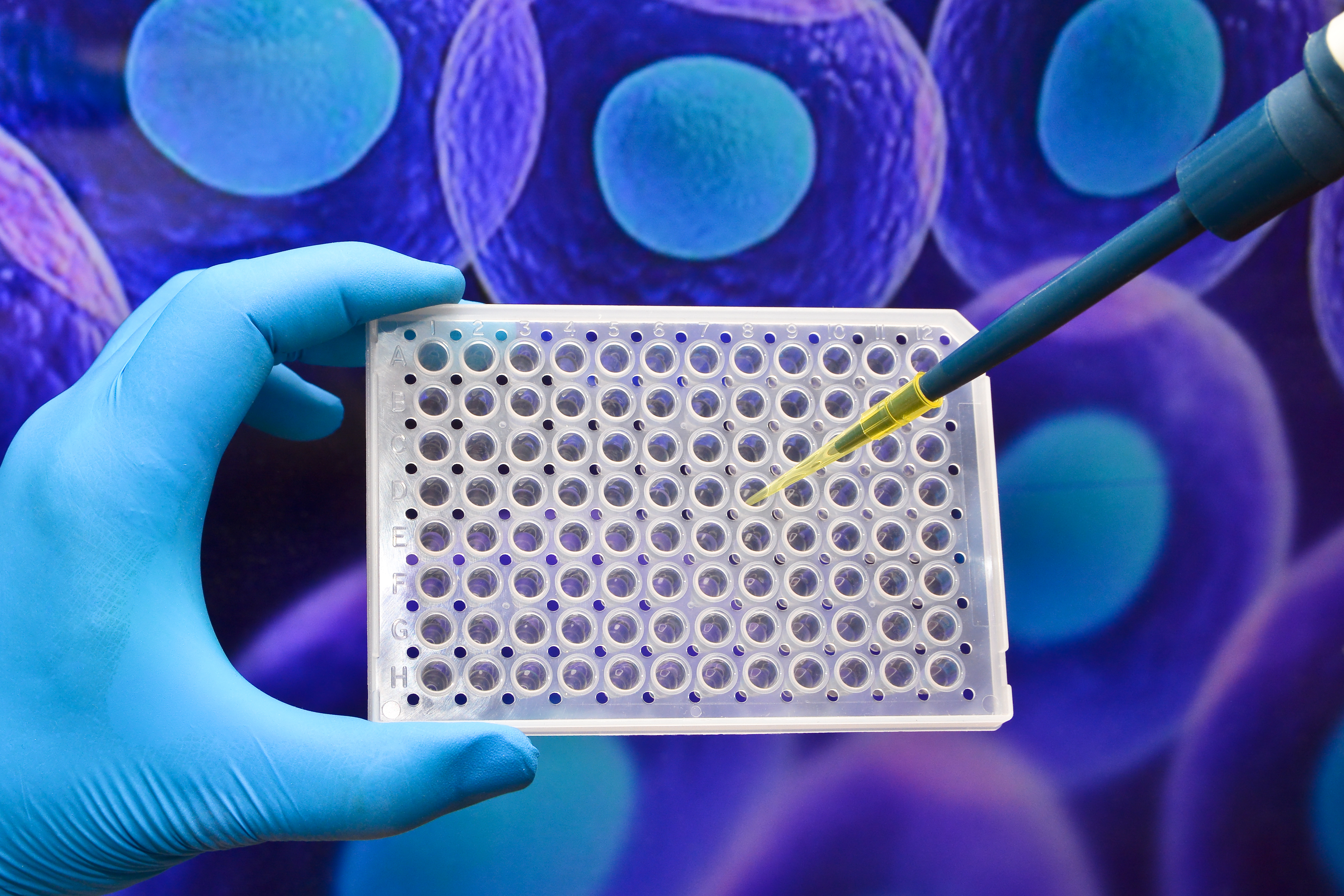
A critical step in leveraging iPSC technology is the ability to directly differentiate iPSCs into the specific cell types most relevant to the disease under study. This ensures that researchers can investigate disease mechanisms in physiologically accurate models, improving the translatability of results.
I-Link Bio offers differentiation into over 20 distinct cell types in both 2D monolayer systems and 3D organoid cultures, covering neurons, cardiomyocytes, hepatocytes, pancreatic cells, immune cells, and more. With optimized protocols and stringent quality control, we achieve a consistently high success rate, delivering functional, well-characterized cells that maintain genetic stability and lineage-specific marker expression.
The resulting cell types are suitable for a broad spectrum of applications, including drug screening, toxicity testing, transplantation studies, preclinical modeling, and basic research. By providing disease-relevant differentiated cells of the highest quality, we empower scientists to bridge the gap between in vitro research and real-world therapeutic advances.